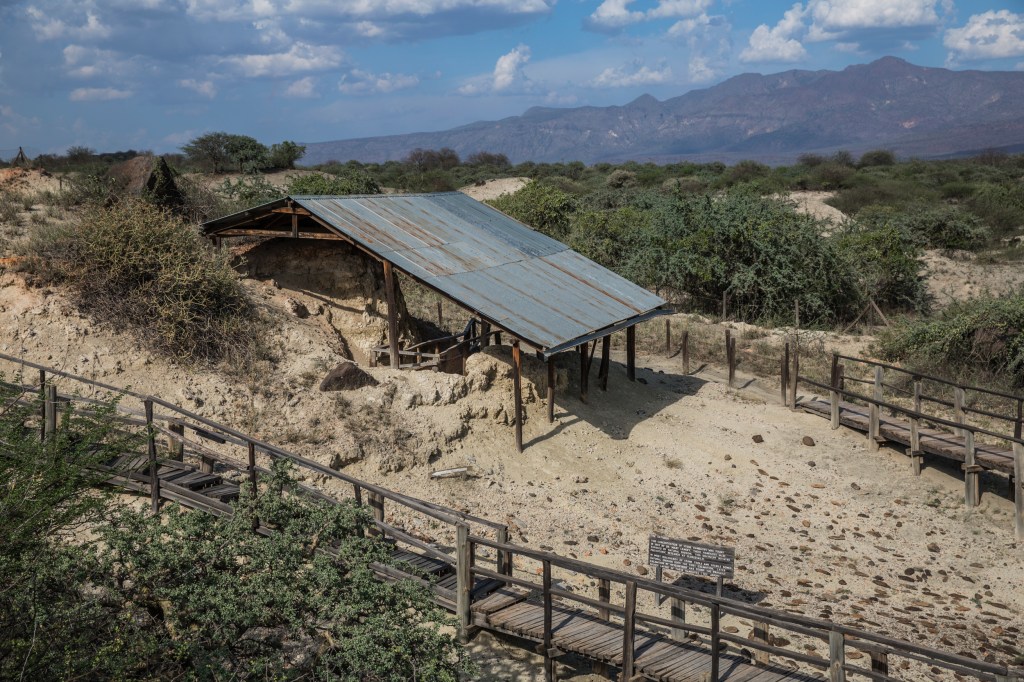
Early humans lived in the Olorgesailie region between 1.2 million and 490,000 years ago. Artifacts have been excavated at Olorgesailie since 1942. Olorgesailie is unusual because of the large number of handaxes found there.
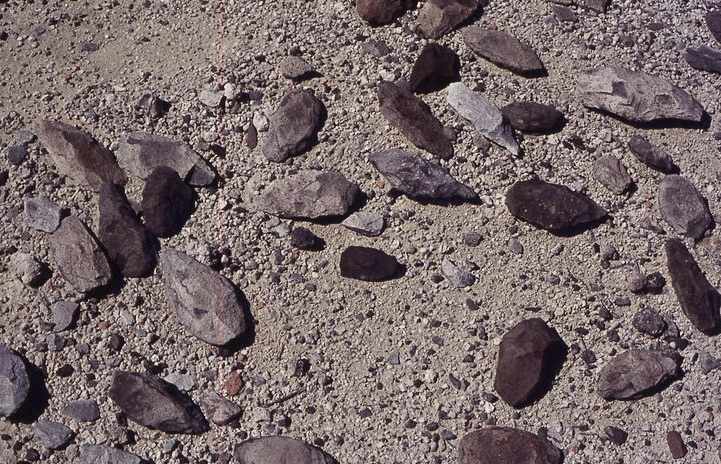
Reminiscences by Judy & Graham:
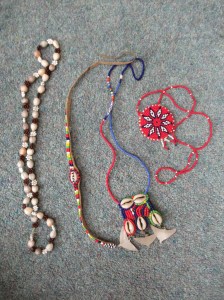
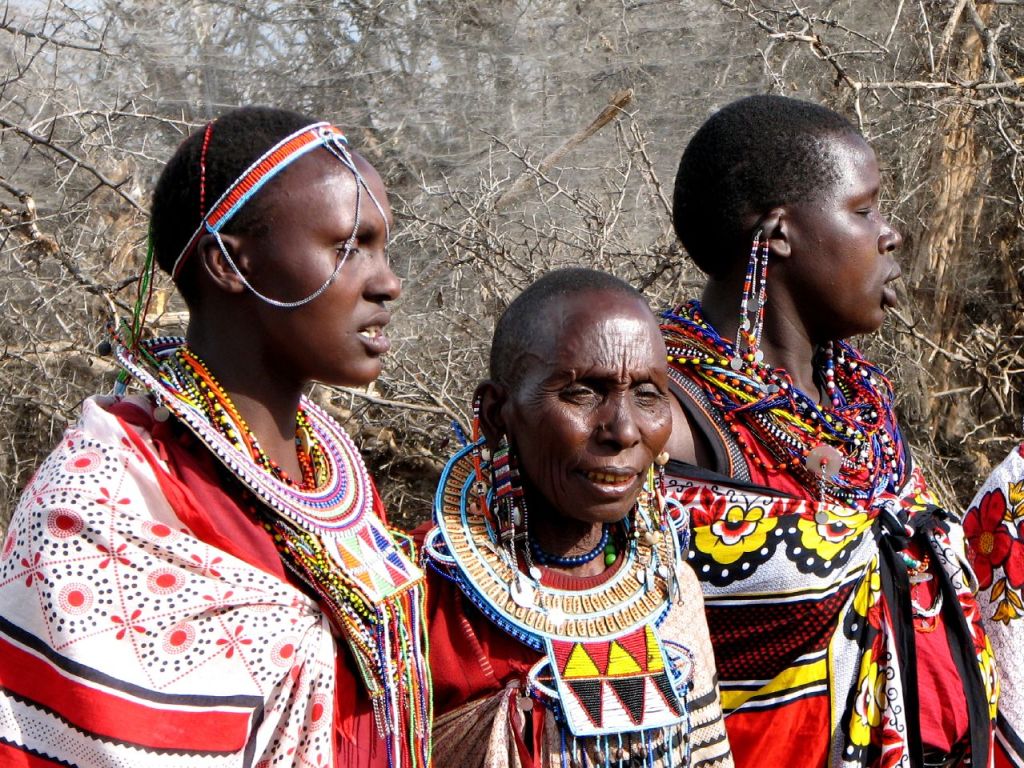
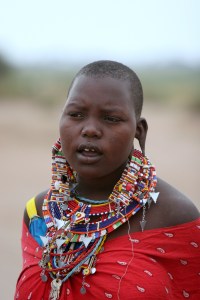
We always enjoyed driving down the difficult stone road into the nearest wilderness from home, the Kedong Valley which is part of the great rift valley. The dry heat of air and the dust which leaked up into our minibus flavoured the atmosphere of adventure and strangeness. For hours we would see no other vehicle but there were sometimes Maasai people caring for a few cattle or marching steadfastly over long distances. Sometimes they would wave us down to get a lift or to ask for a drink of water. They would sensibly pour water from a bottle straight into their mouths without touching their lips. We heard about an archaeological site of some importance down towards Lake Magadi and we decided it would be a good place to go for a day out. This time our teacher friend Michael Mowat came with us and he gave a piece of apple to a Maasai youth whom we met. He wasn’t impressed with the strange food and we assumed he was used to having only the traditional mix of cow’s milk and blood. We reached the site and found an office where we paid a small fee to enter but there was nobody to accompany us round the various exposed areas, some of which had been excavated quite recently. We saw a huge number of extremely ancient hand axes as well as other stone artefacts and I remember seeing some huge bones which were still partly buried, belonging to an extinct kind of elephant which was bigger than the modern species. When we had spent enough time there we drove off along the track and halted when waved down by some local Maasai who beckoned us. It was several girls who wanted to sell us some of their hand made bead bracelets and headbands. They were clearly authentic items and without any common language I negotiated a price for at least three items, one for each daughter. In those days most of the dwellings in the valley were small huts for seasonal use made by making a pole frame and daubing it with dung. A group of huts was always surrounded by a thorn fence for safety.


 Juliet's Kenya Days blog